
The web is evolving faster than ever. In 2025, a successful website is no longer about simply looking good—it’s about speed, accessibility, interactivity, and user experience. At Brave Cat Digital, we’ve built over 300 websites in the past decade. The difference between a site that just exists and one that converts often comes down to embracing modern SEO and design principles.
In this guide, we’ll explore the biggest web design trends of 2025—with a focus on what clients and users really care about.
1. Minimalism Meets Depth
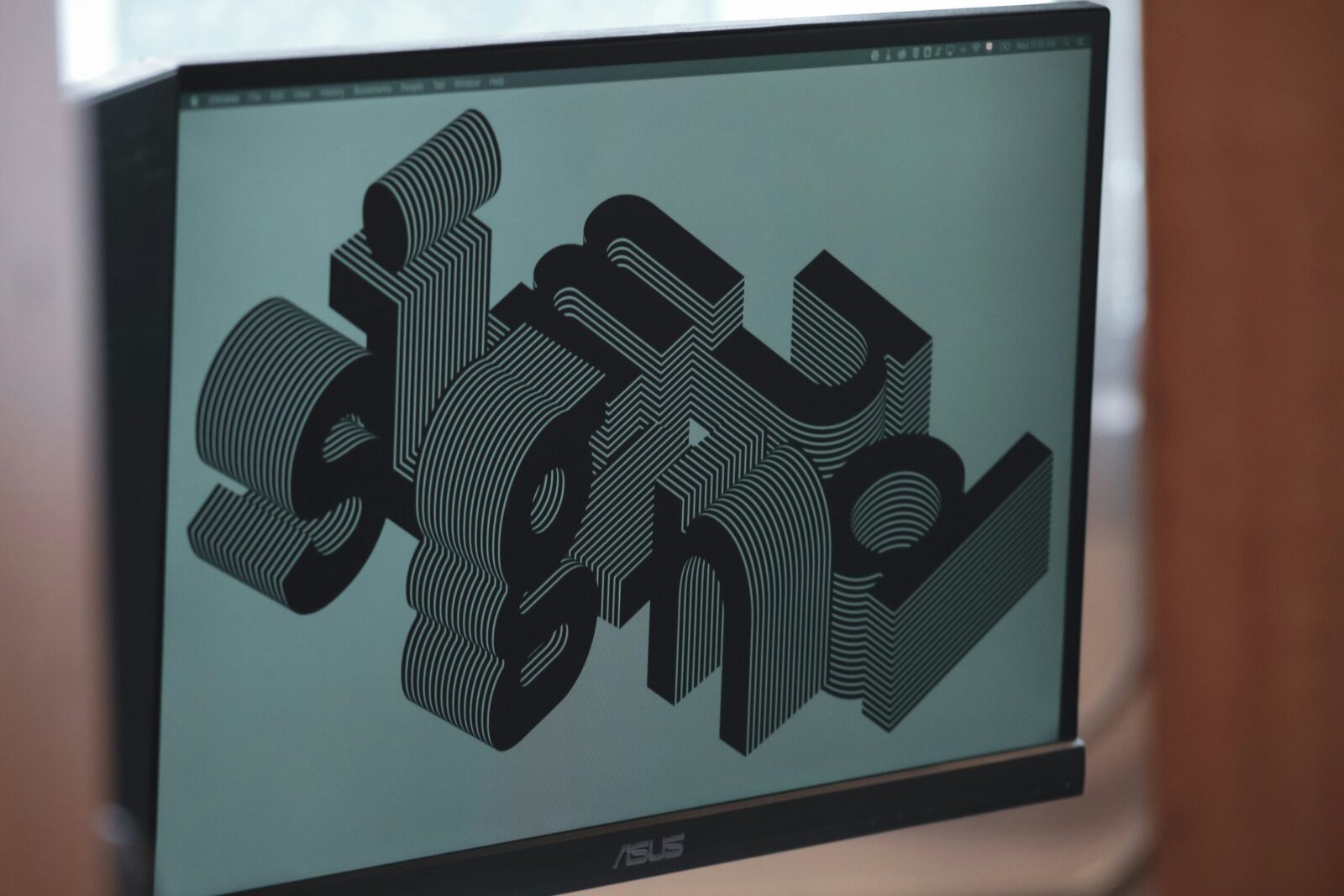
Flat, clean websites are still popular, but in 2025 minimalism is evolving with depth and dimension.
- Subtle 3D effects and layered blocks.
- Whitespace used to guide attention.
- Bold yet elegant typography.
Smashing Magazine notes that depth improves usability without cluttering design.
2. Motion as a Core Element
Motion design is no longer optional—it’s expected. With tools like GSAP and Framer Motion, animations guide users seamlessly.
- Micro-interactions (hover effects, button feedback).
- Smooth transitions that enhance storytelling.
- Scroll-based animations (“scrollytelling”).
3. AI-Powered Personalization
AI is shaping user experiences with personalized content and predictive search. Returning visitors may see different banners than first-time visitors.
According to HubSpot, personalized experiences increase engagement and conversions significantly.
4. Accessibility as Standard
Accessibility (WCAG compliance) is now a must. This includes:
- High-contrast color palettes.
- Keyboard navigation.
- Voice search readiness.
W3C guidelines ensure inclusivity and better SEO.
5. Ultra-Fast Performance
Google’s Core Web Vitals make site speed essential. Lightweight frameworks like Next.js and Astro are replacing heavy themes.
Amazon once reported a 1-second delay costs them $1.6 billion annually—speed directly impacts revenue (Akamai study).
6. Dark Mode Done Right
Dark mode has become a default expectation in apps and websites. It should be designed thoughtfully, not just inverted.
- Offer a toggle between light and dark themes.
- Use gradients and neon highlights for better contrast.
7. Headless CMS & Composable Architecture
Traditional CMS setups are giving way to headless CMS and composable architecture.
This allows integration of multiple services (e-commerce, AI, CRM) through APIs for scalability and speed.
See Netlify’s Headless CMS guide for details.
8. Authentic, Human-Centered Branding
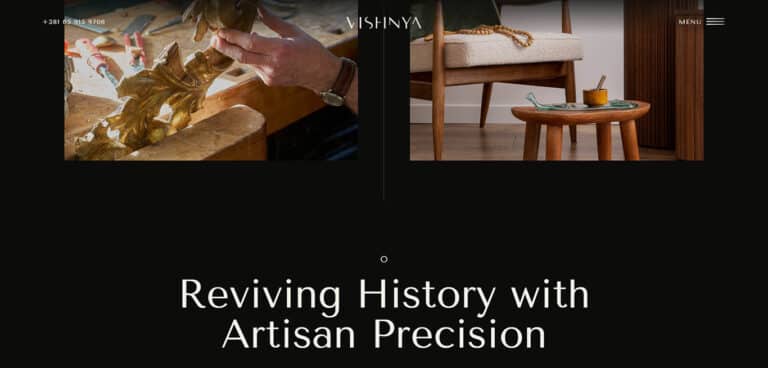
Stock photos are declining—users prefer authentic visuals and real stories.
Case studies, real photography, and personal storytelling build trust faster than any stock image ever could.
9. Inclusive, Global-Friendly Design
Websites now cater to a global audience with multilingual support and cultural sensitivity. Icons, colors, and language choices should resonate universally.
See Awwwards multilingual showcase for inspiration.
10. Sustainable Web Design
Green hosting, efficient code, and optimized media are now part of sustainable practices. According to Sustainable Web Design, lighter websites consume less energy and reduce carbon footprints.
Final Thoughts on Web Design Trends 2025
In 2025, businesses need more than “just a website.” They need a fast, modern, accessible, and conversion-focused digital experience. Embracing these web design and development practices is no longer optional—it’s essential to staying competitive.
Work With Brave Cat Digital
At Brave Cat Digital, we’ve built 300+ websites using the latest technologies and design systems. From WordPress and Shopify to Next.js, we specialize in creating future-proof, performance-driven sites.
👉 Get in touch today to modernize your website and stay ahead in 2025.